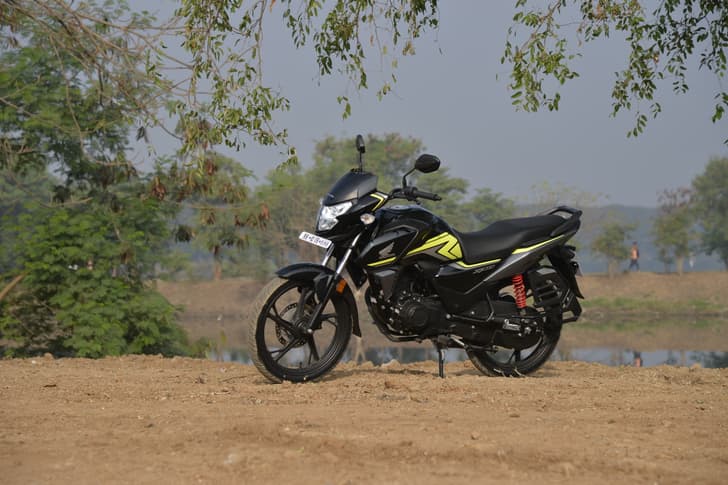

At the reveal of the new Honda Shine 100 DX and Honda CB125 Hornet, we got to chat with Yogesh Mathur, director of Sales and Marketing, HMSI, on what he thinks the evolution of India’s scooter market will look like.
- Number of women going to work has increased in recent years
- Indian scooter market will remain distinct compared to ASEAN markets
- Improved road infrastructure is key to this
Scooter segment will continue to grow
Rural areas and female riders will be the next step in the scooter growth story.
To start off, Mathur says that ‘scooterisation’ still has a long way to go in India, and a big driving factor behind this will be new female riders. As of today, the number of young female riders who own or use two-wheelers is quite small, but there's huge scope for growth. This is largely down to the economic growth of rural India as well as the rural areas that exist just outside of urban cities.
Mathur points out how a large number of young women from these areas have started coming into the workforce, which will drive the overall demand for scooters. Another point he makes is that improving road infrastructure across the country also makes it easier to ride a scooter in places where motorcycles were preferred.
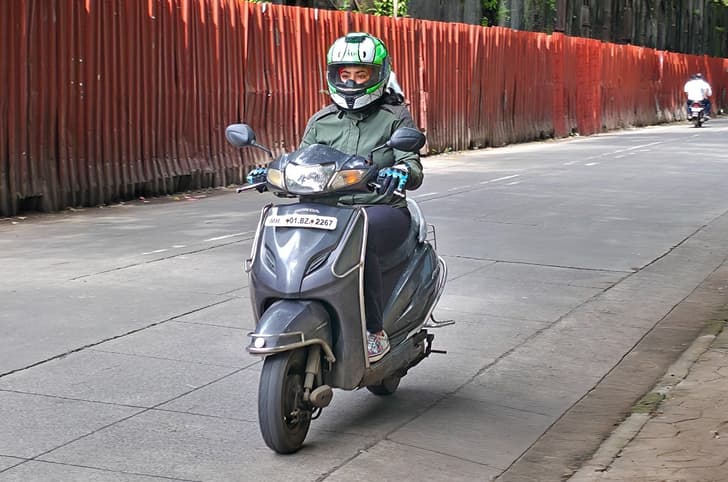
Improving infrastructure benefits scooters in India
Better roads and better connectivity between rural and urban areas.
Improving road infrastructure also makes the connection between rural and urban areas easier on a scooter, particularly in areas where public transport is lacking. A third point that goes in the favour of scooters is that many households still use just one vehicle, which means that a scooter can be shared more easily between all members of the family.
Honda believes that there is still massive potential for growth in the Indian scooter market. While there will be requirements for scooters in different categories (like maxi or ADV scooters with bigger wheels), Mathur states that Honda believes the bulk of scooter growth will come from the areas mentioned above.
12 inch wheels will be the norm
Bigger wheels result in taller seat heights.
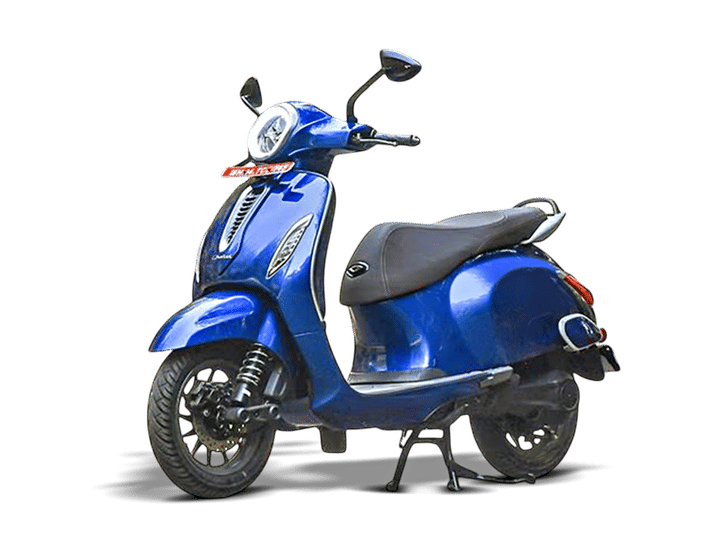
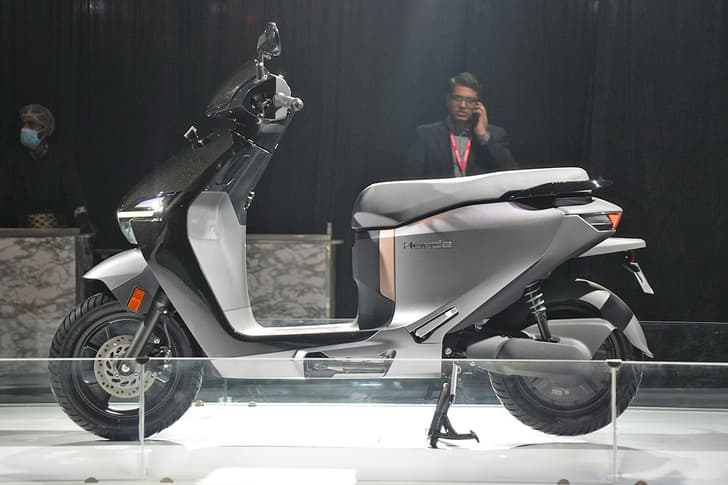
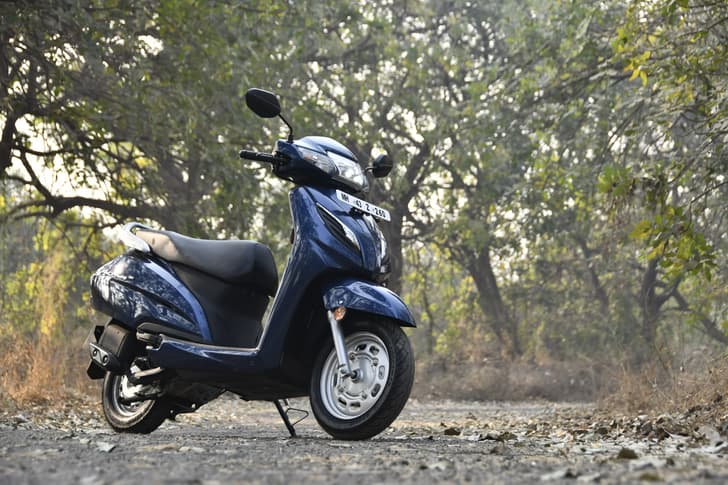
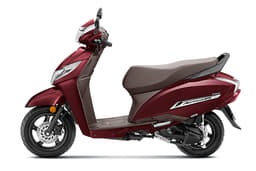
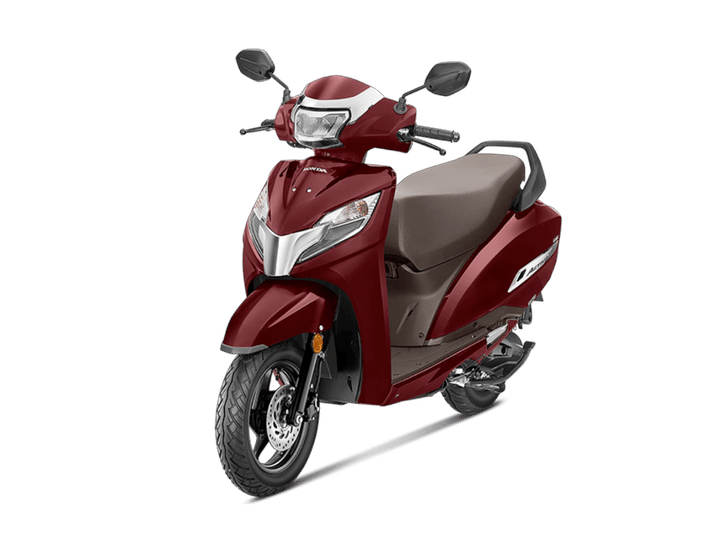
This means that agile, lightweight and easy-to-ride scooters with a low seat height will be the priority. The cost factor also plays a huge role, which is why Mathur points out that scooters ranging from 100-125cc will continue to form a majority of the market. That can already be seen in the likes of the Honda Activa, Suzuki Access and TVS Jupiter becoming the biggest sellers in India.
With that in mind, it is likely that India will stay a market that is largely made up of scooters that run 12-inch wheels and that anything bigger will remain fairly niche. And in that sense, the Indian scooter market will remain markedly different from ASEAN countries where scooters and step-throughs with big wheels are all the rage.
 Dhruv Dhaka
 Ajit Dalvi
 Uday Singh